
Are Mercedes-Benz Cars Good on Gas Mileage?
Mercedes-Benz vehicles are known for their performance and luxury but not typically for their fuel efficiency. In this article, our Mercedes-Benz of Tyler team delves into this issue. We outline various factors affecting the fuel efficiency of different models, including engine type and vehicle size. Furthermore, we provide detailed information on the miles per gallon of the most fuel-efficient models in the 2023 and 2024 Mercedes-Benz lineup.
Do Mercedes-Benz Cars Get Good Gas Mileage?
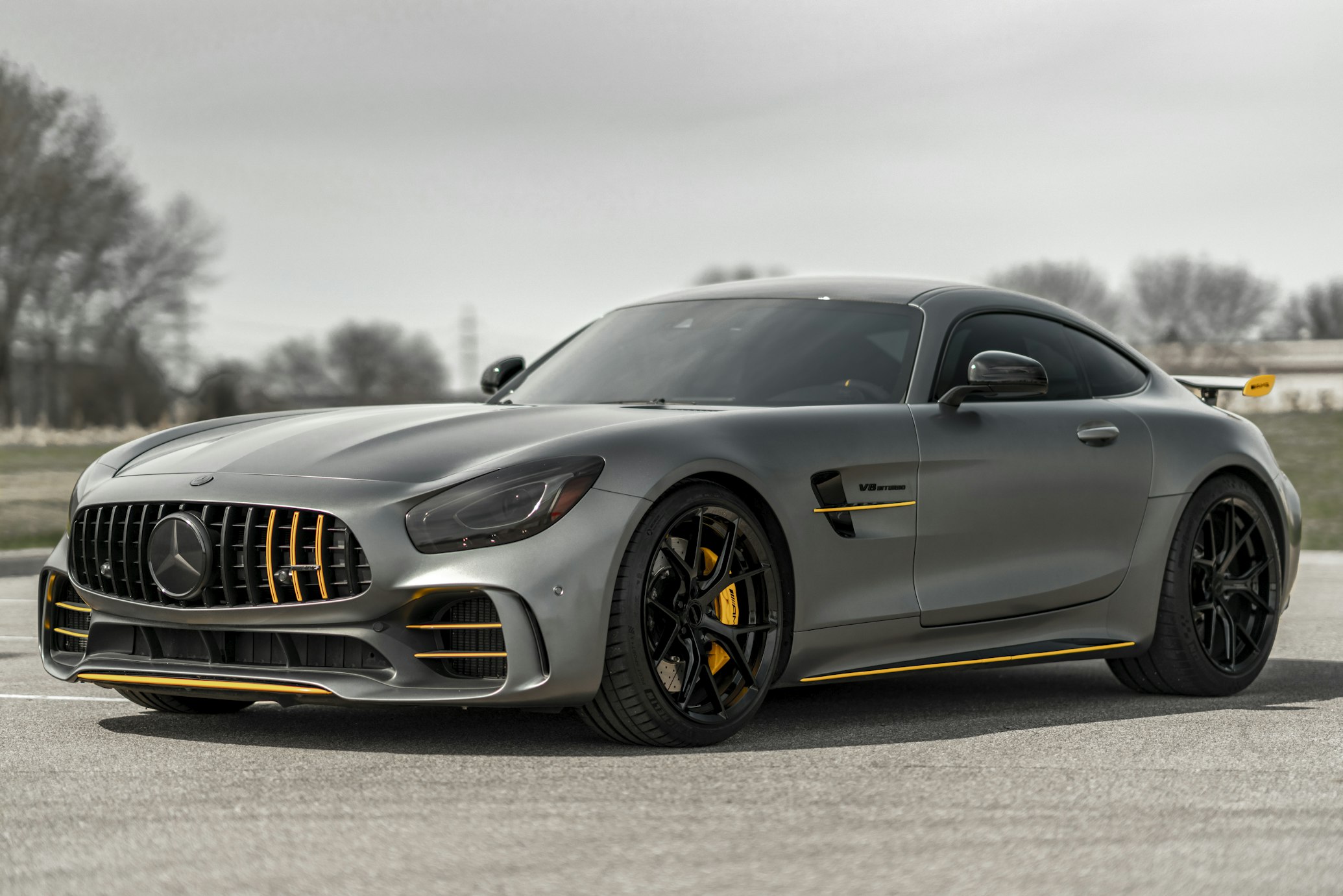
Mercedes-Benz vehicles are popular among drivers due to their luxurious status, comfortable ride, and stylish appearance. But are they fuel-efficient? According to the EPA, the average fuel economy of Mercedes-Benz vehicles in 2021 was 22.5 mpg, not particularly impressive compared to more compact cars.
Nevertheless, Mercedes has made strides to improve fuel efficiency by releasing the 2023 CLA and 2024 C-Class, designed with fuel economy in mind and delivering up to 25 mpg in the city and 36 mpg on the highway for the CLA class. So, while Mercedes-Benz vehicles may not be the most fuel-efficient cars available, they still offer a good balance of performance and efficiency.
Factors That Affect Fuel Efficiency
The fuel economy of a Mercedes-Benz vehicle can vary depending on the model and year. For example, the 2022 Mercedes-Benz A-Class Sedan has an estimated fuel economy of 25 mpg in the city and 35 mpg on the highway, while the 2022 Mercedes-Benz CLA Coupe has an estimated fuel economy of up to 36 mpg on the highway. Here are the factors that can affect a Mercedes-Benz vehicle’s fuel economy:
- Model and engine size: Mercedes-Benz offers vehicles with varying engine sizes and configurations, including high-performance engines and more fuel-efficient options. Smaller engines or hybrid models prioritize better gas mileage.
- Technology and innovation: Mercedes-Benz employs advanced technologies such as stop-start systems, turbocharging, direct fuel injection, hybrid systems, and aerodynamic designs in some models to enhance fuel efficiency without compromising performance.
- Driving conditions: Driving habits, environments, and road conditions significantly impact fuel economy. City driving, with frequent stops and aggressive accelerating, can result in lower gas mileage than highway driving at steady speeds.
- Vehicle size and weight: Larger or heavier vehicles typically require more energy to accelerate and brake, which increases fuel consumption. Compact models or those designed with lightweight materials, such as newer Mercedes models, tend to offer better gas mileage.
- Aerodynamics: Improved aerodynamics reduce air resistance, enhancing fuel efficiency. In many newer models, Mercedes-Benz uses aerodynamic designs to streamline airflow and reduce drag.
- Tire pressure: Properly inflated tires reduce rolling resistance, improving fuel economy. Mercedes-Benz models often have tire pressure monitoring systems to help you maintain optimal tire pressure.
- Maintenance: Optimal fuel efficiency relies on regular maintenance, such as frequent oil changes, air filter replacements, and keeping the engine in good condition.
For Mercedes-Benz, optimizing fuel efficiency involves various engineering strategies, including using lightweight materials, advanced aerodynamics, efficient engine designs, and innovative technologies. Efforts to reduce weight without compromising on safety or performance contribute to improved fuel efficiency in its newer models. However, larger or more powerful Mercedes-Benz vehicles may inherently consume more fuel due to their size, weight, and performance capabilities.
Is Gas or Electric More Efficient?
Electric vehicles (EVs) use battery power for propulsion, making them inherently energy efficient. This attribute is particularly advantageous for city driving because of regenerative braking and minimal idling. On the other hand, gas-powered models offer an extended range and faster refueling, making them a better option for long-distance travel.
Mercedes-Benz’s commitment to advancing EV technology, seen in models such as the EQC, signals a promising shift towards efficiency and sustainability. Yet, individual preferences, driving patterns, and access to EV infrastructure are key factors to consider when choosing between the two. Both gas-powered and electric Mercedes-Benz vehicles offer unique advantages, and the most suitable for you depends on your preferences and circumstances.
Which Models Have the Best Miles Per Gallon and MPGe Ratings?
The 2023 CLA and 2024 C-Class are Mercedes-Benz’s most efficient gasoline engine vehicles. For those who crave an EV with top-notch MPGe ratings, the 2024 Mercedes-Benz EQS Sedan, rated at 103 MPGe combined for the all-wheel-drive base model, is one of the most attractive and reliable all-electric driving ranges in the Mercedes-Benz EV lineup. Equipped with the EQS 4MATIC®, you can drive up to 340 miles on a full battery before recharging.
If electric driving range is your priority, consider the brand-new 2024 Mercedes-Benz EQE Sedan 4MATIC®, which delivers over 400 miles of all-electric driving range on one charge. Regarding electric fuel efficiency, the EQS 450+ SUV gets you a very impressive 85 MPGe combined. It can drive up to 305 miles before needing a recharge.
Here are some of the best-rated 2023 and 2024 Mercedes-Benz vehicles:
- 2024 Mercedes-Benz C-Class: 26 mpg city and 36 mpg highway.
- 2023 Mercedes-Benz CLA: 25 mpg city, 36 mpg highway.
- 2023 Mercedes-Benz GLA: 24 mpg city and 34 mpg highway.
- 2024 Mercedes-Benz GLC: 26 mpg city and 33 mpg highway.
- 2023 Mercedes-Benz GLB: 24 city mpg and 32 mpg highway.
- 2023 Mercedes-Benz E-Class: 23 mpg city and 31 mpg highway.
- 2023 Mercedes-Benz CLS: 22 mpg city and 30 mpg highway.
- 2024 Mercedes-Benz GLE: 21 mpg city and 28 mpg highway.
- 2023 Mercedes-Benz S-Class: 20 mpg city and 28 mpg highway.
- 2023 Mercedes-Benz EQS 4MATIC®: 101 MPGe city and 105 MPGe highway.
Come for a Test Drive at Mercedes-Benz of Tyler
Mercedes-Benz vehicles may not always be the most fuel-efficient compared to smaller, economy-focused cars. However, many models provide competitive gas mileage for their respective class. For instance, the Mercedes-Benz compact or hybrid models often deliver impressive fuel economy, balancing performance and efficiency. We recommend you review the specific fuel economy ratings for individual models and consider factors such as engine size, driving conditions, and personal preferences when choosing a vehicle. If you’re looking for a fuel-efficient Mercedes-Benz, please visit our dealership in Tyler, Texas, and take a few for a test drive.
black mercedes benz coupe on gray asphalt road by Aaron Huber is licensed with Unsplash License
0 comment(s) so far on Are Mercedes-Benz Cars Good on Gas Mileage?