
How Long Do Mercedes-Benz Brake Pads Last?
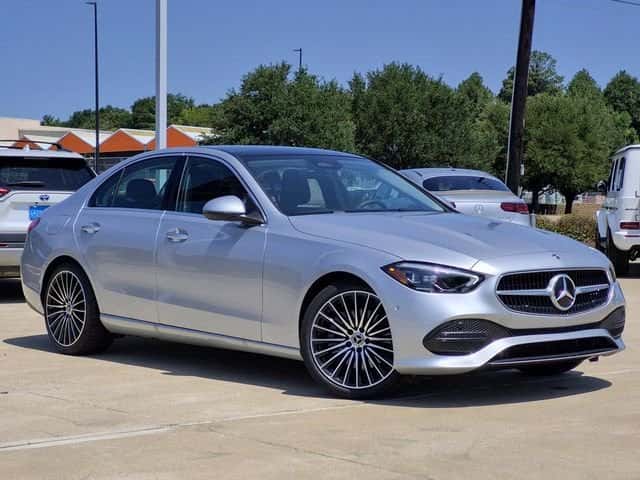
If you drive a Mercedes-Benz around Tyler, Texas, you’ve probably wondered when it’s time to have your brake pads checked. Brake wear isn’t as predictable as an oil change interval. The honest answer depends on your driving style, the roads you cover, and the pad material your vehicle uses. Below we cover what actually drives that variation. If you’d rather skip ahead and have a professional take a look, you can schedule a brake inspection with our team anytime.
Most Mercedes-Benz brake pads last somewhere between 20,000 and 60,000 miles, though that range shifts based on how and where you drive. Some drivers stretch pad life well past that window, sometimes toward 70,000 miles, while others doing a lot of stop-and-go driving will need a replacement sooner. Mercedes-Benz vehicles aren’t an outlier here, either; this range lines up with what you’d typically see across most vehicle brands, luxury or otherwise. Pad wear doesn’t follow a calendar, so regular inspections are how you actually confirm where things stand.
Typical Mileage Range for Mercedes-Benz Brake Pads
Depending on driving style, brake pad life can run as short as a track day or two on the aggressive end, stretching up toward 70,000 miles on the gentle end, with most drivers averaging around 45,000 miles. That’s a wide window on purpose. A Mercedes-Benz driven mostly on I-20 for a long commute wears its pads very differently than one navigating downtown Tyler traffic every day. Treat these numbers as planning guides rather than deadlines. A physical inspection is the only way to know where your vehicle actually falls in that range.
Why Brake Pad Lifespan Varies by Model and Pad Material
Pad material plays a bigger role in longevity than most drivers realize. Ceramic pads are the standard on luxury vehicles including Mercedes-Benz, and they generally last longer under regular use than other materials, largely thanks to reduced brake dust rather than any dramatic stopping-power advantage; ceramic can wear rotors slightly faster in exchange. Semi-metallic pads, which blend metal content into the friction material, often offer better durability than organic pads, though they may wear faster due to a more aggressive bite. Organic compounds tend to wear fastest overall.
No single pad material wins outright for longevity; it comes down to how the vehicle is driven and what conditions it faces day to day. Performance-oriented Mercedes-Benz models can also see faster wear simply because they generate more heat under harder use.
Factors That Affect Brake Pad Wear
Brake pad wear responds directly to a handful of real-world variables. Once you understand them, it’s easier to predict roughly where your vehicle will land.
Driving Habits and Braking Style
How you brake matters as much as how often you brake. Aggressive stops and last-second braking generate more heat and friction, which wears pad material faster. Smooth, even, anticipatory braking pressure is easier on the entire system and tends to extend pad life noticeably compared to a more reactive driving style.
City Driving vs. Highway Driving
If most of your miles are spent navigating Tyler’s stoplights and surface streets, expect the kind of brake pad wear that shows up in city conditions, often landing in the 30,000 to 35,000 mile range because of how frequently the brakes engage. Highway driving tells a different story: fewer stops and more consistent speeds can push pad life to 80,000 miles or beyond. Most East Texas drivers fall somewhere in between, splitting time between local errands and highway commutes.
Vehicle Weight, Towing, and Cargo Load
Extra weight, whether it’s cargo in the trunk or a trailer behind your Mercedes-Benz, increases the force your brakes need to generate to slow the vehicle down, and that added demand accelerates pad wear. The front brakes already handle roughly 60-70% of stopping force on any given stop, which is why front pads typically wear faster than rear pads, often needing replacement 1.5 to 2 times sooner. If you tow regularly, semi-metallic pads are generally favored for their ability to dissipate heat under sustained load, which matters more than most owners expect until they’re hauling a trailer down a long grade.
Road, Terrain, and Climate Conditions
East Texas throws a mix of conditions at your brakes throughout the year. Hilly or rural terrain increases overall brake workload, especially if you’re riding the brakes downhill instead of managing speed with engine braking. Summer heat adds thermal stress to the entire braking system, and occasional heavy rain can affect how pads and rotors interact with road grit and moisture. None of these conditions are extreme on their own, but combined, they add up over the life of a pad.
Signs Your Mercedes-Benz Brake Pads Need Replacement
Your Mercedes-Benz will usually tell you before a brake problem becomes serious. The key is knowing what to listen and watch for.
Squeaking or Grinding Noises
A squeal when you brake is often just an early built-in warning that pad material is running low, and that’s actually a good thing since it gives you time to act. Grinding is a different situation entirely. It usually means the pad material has worn through and metal is contacting metal, which can quickly damage the rotor underneath.
Vibration or Longer Stopping Distances
Worn brake pads can also affect how the vehicle behaves when you brake. Longer stopping distances are a common symptom of pads that have thinned out significantly. Vibration during braking can happen too, and it can result from worn or damaged pads as well as rotor issues, which is one more reason a full inspection makes more sense than guessing at the cause.
Dashboard Brake Warning Alerts
Your Mercedes-Benz is designed to flag brake wear directly on the dashboard before it becomes a safety issue, something a lot of owners don’t realize until they see it happen. If this warning light appears, don’t brush it off.
Understanding Your Mercedes-Benz Brake Wear Indicator
Mercedes-Benz vehicles use an electronic wear sensor built into the brake pad. Its job is simple: trigger a dashboard message once pad thickness drops to the minimum safe level. On many models, this sensor sits in the inner pad, so technicians checking brake pad wear pay particular attention to the inner side, since that’s often where the sensor makes contact once material runs thin. The sensor itself is a one-time-use component. Once it’s triggered, it gets replaced along with the new pad rather than reused.
The warning light tells you that thickness has fallen below the required threshold, but it doesn’t always specify which axle triggered it, which is why a full inspection, not just a glance at the dashboard, is the right next step. After replacing brake pads, the warning may not clear on its own and can need a diagnostic reset. If you see the alert, bringing your vehicle to our service department is the most reliable way to get a clear answer and get it addressed correctly.
Why Routine Brake Inspections Matter
Waiting for a warning light or an unusual noise means you’re reacting instead of managing wear ahead of time. Routine inspections catch problems while they’re still manageable, before they turn into a bigger repair.
Protecting Rotors from Premature Damage
Once brake pad material wears through completely, metal-on-metal contact can damage the rotors and even the calipers. That turns a straightforward pad replacement into a more involved repair. Catching wear early, through a routine check, protects the rest of the braking system and keeps the cost of maintenance predictable.
Following Mercedes-Benz Maintenance Recommendations
Mercedes-Benz vehicles come equipped with ASSYST PLUS, an onboard service system that adjusts your maintenance schedule to how the vehicle is actually used. Rather than counting down to a fixed mileage, it factors in distance traveled, time since your last service, and operating conditions like short trips and frequent cold starts, then tells you when Service A or Service B is due. Two identical vehicles driven differently will reach that point at different times, which is why your neighbor’s service reminder won’t match yours.
As general dealer-service guidance, Mercedes-Benz service visits are commonly scheduled with Service A around 10,000 miles and Service B around 20,000 miles, with brake checks typically included at both. Sticking to a consistent service rhythm means wear gets caught during a scheduled visit rather than discovered the hard way.
Tips to Extend the Life of Your Brake Pads
A few habits go a long way toward stretching pad life without sacrificing safety. Start by easing off the accelerator earlier and coasting down before you actually need to brake, especially when exiting the highway. That single habit reduces how hard your pads have to work in daily driving.
-
Maintain a longer following distance so you can slow gradually instead of braking hard at the last second.
-
Use engine braking on long downhill stretches rather than riding the brake pedal continuously.
-
Clear out unnecessary cargo weight, since every extra pound adds to the load your brakes manage.
-
Have your brakes checked at least once a year, even if nothing feels off, to catch gradual wear early.
These habits won’t lock in an exact mileage number, but together they cut down on the heat and friction that wear pads down faster than necessary.
Schedule Your Brake Service at Mercedes-Benz of Tyler
When it’s time for an inspection or replacement, the parts and the installation both matter. Our certified technicians install manufacturer-approved parts, so the wear sensors, pad material, and fit are all built to work with your Mercedes-Benz exactly as engineered, not adapted from a generic aftermarket option.
Choosing our dealership for service also means access to complimentary multi-point inspections, a complimentary car wash with your visit, easy online scheduling, and a comfortable waiting area with Wi-Fi and refreshments while your Mercedes-Benz is in the shop.
If you’re due for a check or you’ve noticed any of the warning signs we covered above, contact us to schedule service and we’ll get you on the schedule.
Frequently Asked Questions
Do brake pads and rotors need to be replaced together?
Not automatically. Pads and rotors wear at different rates, but it’s smart to inspect both at the same time. If the rotors are worn or close to their minimum thickness, replacing them alongside the pads is usually recommended, since pairing new pads with worn rotors can cause poor contact, added noise, or weaker stopping performance.
Is it safe to drive with the brake warning light on?
No, and we’d encourage you not to keep driving on it any longer than necessary. If the light comes on while you’re driving, the safest move is to pull over when you can and arrange an inspection or tow rather than continuing on worn brakes.
0 comment(s) so far on How Long Do Mercedes-Benz Brake Pads Last?