
Mercedes-Benz Warning Lights Explained: What Each Dashboard Alert Means
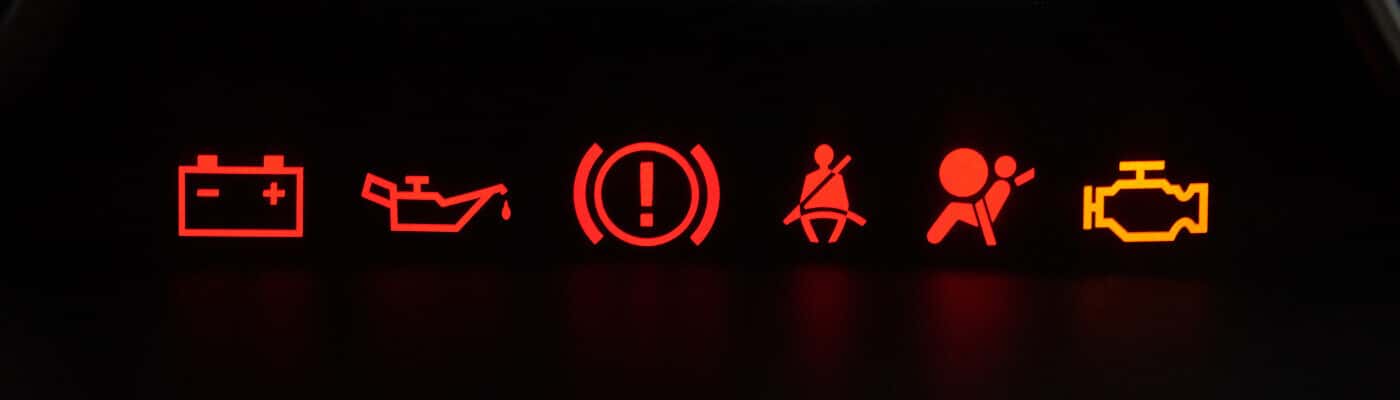 That little symbol lighting up on your dash can turn a calm drive into a stressful one, especially when you’re not sure what it means or how urgent it actually is. Every icon on your instrument cluster tells you something specific about your vehicle’s condition, and the color and shape are your clues for how to react instead of guessing. This guide to Mercedes-Benz warning lights explained breaks down the most common dashboard alerts so you know exactly what to do, whether that means pulling over right now or simply scheduling a service visit in the coming days.
Understanding Your Mercedes-Benz Warning Light System
Mercedes-Benz dashboard lights follow a color-coded logic that’s consistent across most models, though exact icon placement and design can shift depending on the model line and year. Green and blue symbols simply confirm a feature is active or provide general information. Yellow or amber lights mean something needs attention soon but usually doesn’t require you to stop immediately. Red lights point to a safety or mechanical issue that could get worse fast, so those need your attention right away.
The Red, Amber, and Green Alert Scale
Think of the color scale as a simple hierarchy. A red light means stop safely and deal with it now. An amber one lets you keep driving for the time being, but don’t put off booking a service appointment. Green, blue, or white icons are purely informational, confirming that a system like cruise control or high beams is switched on. When multiple lights appear together, they often share one underlying cause, which is a good reason to have the vehicle looked at rather than clearing each light one by one.
Red Warning Lights: Stop Driving Immediately
Red warning lights on a Mercedes-Benz dashboard are never something to brush off. These indicate conditions that can compromise your safety or cause serious mechanical damage if you keep driving. If one of these appears, the safest move is to find a spot to pull off the road, shut off the engine, and assess the situation calmly before deciding your next step.
Brake System and Parking Brake Alert
The brake warning light Mercedes-Benz drivers see most often can mean a few different things. It might simply indicate the parking brake is still engaged, in which case releasing it should clear the light and let you drive normally. It can also point to low brake fluid or an electric parking brake that isn’t fully applying.
If this red triangle warning light shows up alongside the ABS light, that combination usually signals a brake system malfunction. In that case, pull over safely, avoid sudden braking, and get professional help rather than continuing on. Brake pad wear gets tracked by a separate, distinct warning system, so this particular alert isn’t about pad thickness.
Engine Overheating Warning
A thermometer sitting in liquid is the warning symbol for engine overheating, and it demands immediate action. If your temperature climbs above 248°F (120°C), do not continue driving. Pull over, turn off the engine, and let things cool down completely before doing anything else, and never open the coolant cap while the engine is hot.
Overheating that keeps recurring can mean a failing water pump, a damaged radiator, a leaking hose, or a bad thermostat, and any of these needs a trained eye to properly diagnose.
Low Engine Oil Pressure Warning
An oil can icon lighting up red means you need to stop the vehicle immediately. Low oil pressure can cause serious engine damage within just a few minutes of continued driving. Even if your oil level looks fine, this warning can still point to a failing oil pump, a clogged filter, or another internal issue.
In this scenario, towing the vehicle to a service center is the safer choice over trying to drive it in. Checking your oil monthly is a simple habit that helps you catch problems before they become dashboard warnings.
Battery Charge Warning
A red battery icon means your battery isn’t charging properly. The culprit is usually a faulty alternator or a failing battery, though sometimes it’s just a loose or corroded connection. Ignoring this warning risks a complete loss of electrical power, potentially leaving you stranded. Getting the charging system inspected promptly is the best way to avoid that outcome.
If any of these red alerts appear, our service department is ready to help East Texas drivers get answers quickly and safely.
Amber and Yellow Warning Lights: Schedule Service Soon
A yellow light on your Mercedes-Benz dashboard doesn’t mean you need to panic, but it does mean something deserves attention before it turns into a bigger problem. These service lights are your vehicle’s way of flagging an issue while you still have time to plan a visit rather than pulling over on the spot.
Check Engine Light
The check engine light covers a wide range of possible engine, exhaust, or fuel system malfunctions. If it’s flashing, you may notice reduced power or stuttering. The cause could be a loose gas cap, a failing oxygen sensor, a bad catalytic converter, or a mass airflow sensor problem.
A steady light means the issue is less urgent, but it still calls for a service appointment soon. Because the list of potential causes is so broad, professional diagnostics are really the only reliable way to pinpoint what’s going on under the hood.
ABS and Electronic Stability Program (ESP®) Warnings
ESP® works alongside ABS to help maintain stability and traction, particularly in slippery conditions. If the ESP® light flashes, the system is actively stepping in to help you keep control, which is normal on a wet or icy road. A steady light, on the other hand, suggests the system isn’t functioning properly. If you see an “OFF” indicator, it simply means ESP® has been deliberately deactivated.
Related systems like BAS® (Brake Assist) and ETS (Electronic Traction Support) work in tandem with ABS as well. We recommend keeping ESP® engaged during everyday driving, and if the warning light won’t reset, it’s worth a visit to a certified service center.
Tire Pressure Monitoring System (TPMS) Alert
An exclamation point inside a horseshoe or tire icon is the TPMS alert, and it usually points to low tire pressure or a puncture. Adjust the pressure at your next safe opportunity and take a look for any visible damage. Keeping tires properly inflated helps with handling and fuel efficiency and extends how long your tires last, and checking pressure when tires are cold gives you the most accurate reading.
If your pressure checks out fine but the light stays lit, a missing or faulty sensor could be the culprit, and that’s something worth having examined.
Coolant Temperature and Fluid Level Warnings
A yellow coolant warning can stem from a temperature sensor fault, a cooling issue related to the charge air, transmission oil, or battery system, or blocked radiator shutters. Most often, though, it simply comes down to low coolant. The cause is usually a leak, a cracked expansion tank, a water pump seal problem, or a radiator issue.
If you notice a red or high gauge reading, or see steam coming from under the hood, stop and shut off the engine right away. If the temperature reading looks normal but the yellow light is on, the vehicle is generally still drivable, though a prompt inspection is a smart move. Topping off coolant repeatedly without figuring out why it’s low isn’t a real fix, and it can mask a bigger issue.
Other Common Dashboard Alerts
Plenty of dashboard symbols fall outside the red and amber categories, and they’re still worth knowing.
ATTENTION ASSIST® Drowsiness Warning
ATTENTION ASSIST® is a driver-fatigue monitoring system that evaluates more than 70 parameters to establish a baseline when you start driving, then watches for steering patterns that suggest drowsiness. When it detects signs of fatigue, you’ll get an audible alert along with a coffee cup icon on the dash. Some models will also show your attention level, how long you’ve been driving, or the nearest rest area. If this light comes on, the best response is simple: take a break.
Seat Belt and Exterior Light Reminders
A red belted-person icon means someone in the vehicle hasn’t buckled up. You might also see a reminder if you leave the vehicle with your headlights still on, or a prompt about rear fog lamps, which are best reserved for actual foggy conditions rather than regular night driving. A washer fluid reminder simply lets you know it’s time to top off that reservoir.
Why You Should Never Ignore a Warning Light
Every warning light is part of your vehicle’s early-communication system, and brushing off even a minor amber alert can eventually lead to more expensive repairs down the road. When several lights come on at once, that’s often a sign of a larger system or electrical failure, and the safest response is to stop and get help rather than trying to sort it out yourself.
DIY resets might make a light disappear temporarily, but without addressing the actual cause, you could be masking a real problem, especially since many issues require factory diagnostic tools to properly identify. A light turning off on its own doesn’t necessarily mean the underlying issue has been resolved.
What to Do When a Dashboard Light Appears
How you respond depends heavily on the color of the light you’re seeing, so it helps to have a clear plan in mind before you’re actually on the road dealing with one.
Immediate Actions for Red Alerts
If a red light appears, look for a safe place to pull off the road as soon as you reasonably can. Turn off the engine. Resist the urge to keep driving “just a little further” to get home or to a shop. From there, contact our service team or roadside assistance rather than attempting any repairs yourself. This conservative approach protects both you and your vehicle.
Next Steps for Amber Alerts
Amber lights generally allow you to keep driving, but treat that as a temporary window rather than a green light to put things off indefinitely. Drive carefully, keep an eye on how the vehicle feels and sounds, and get a service appointment on the calendar soon. Waiting too long can allow a manageable issue to develop into something more serious and costly.
Not every warning light applies to every Mercedes-Benz model, either. Some symbols are specific to diesel, hybrid, or EV trims and won’t appear on other vehicles. Symbol design and color coding can also vary by model line and year, so warning light meanings should always be confirmed against your owner’s manual or with a certified technician rather than assumed from general guidance like this article.
Schedule a Professional Diagnostic Check at Mercedes-Benz of Tyler
A warning light tells you something’s wrong; it doesn’t tell you exactly what. Getting a real answer means a proper inspection with genuine Mercedes-Benz diagnostic tools.
Why Choose Our Service Team
Our factory-trained, Mercedes-Benz-certified technicians go through ongoing training specifically to stay current on these systems, so you’re not left guessing at what a malfunction alert really means. We’ve been serving East Texas drivers since 1960, and that experience shows in how we approach every diagnostic visit. Scheduling is simple through our online system, and many visits include a complimentary multi-point inspection and car wash. While you wait, our lounge offers Wi-Fi and refreshments to make the process as comfortable as possible.
Book Your Visit
If a warning light has you wondering what’s going on with your vehicle, don’t wait for it to escalate. Schedule service with our team today, or contact our service team with any questions before your visit. We’re located at 3274 Professional Drive in Tyler, TX, and ready to help keep your Mercedes-Benz running the way it should.
0 comment(s) so far on Mercedes-Benz Warning Lights Explained: What Each Dashboard Alert Means