
Mercedes Tire Replacement & Alignment: How Tyler Roads Affect Your Mercedes-Benz
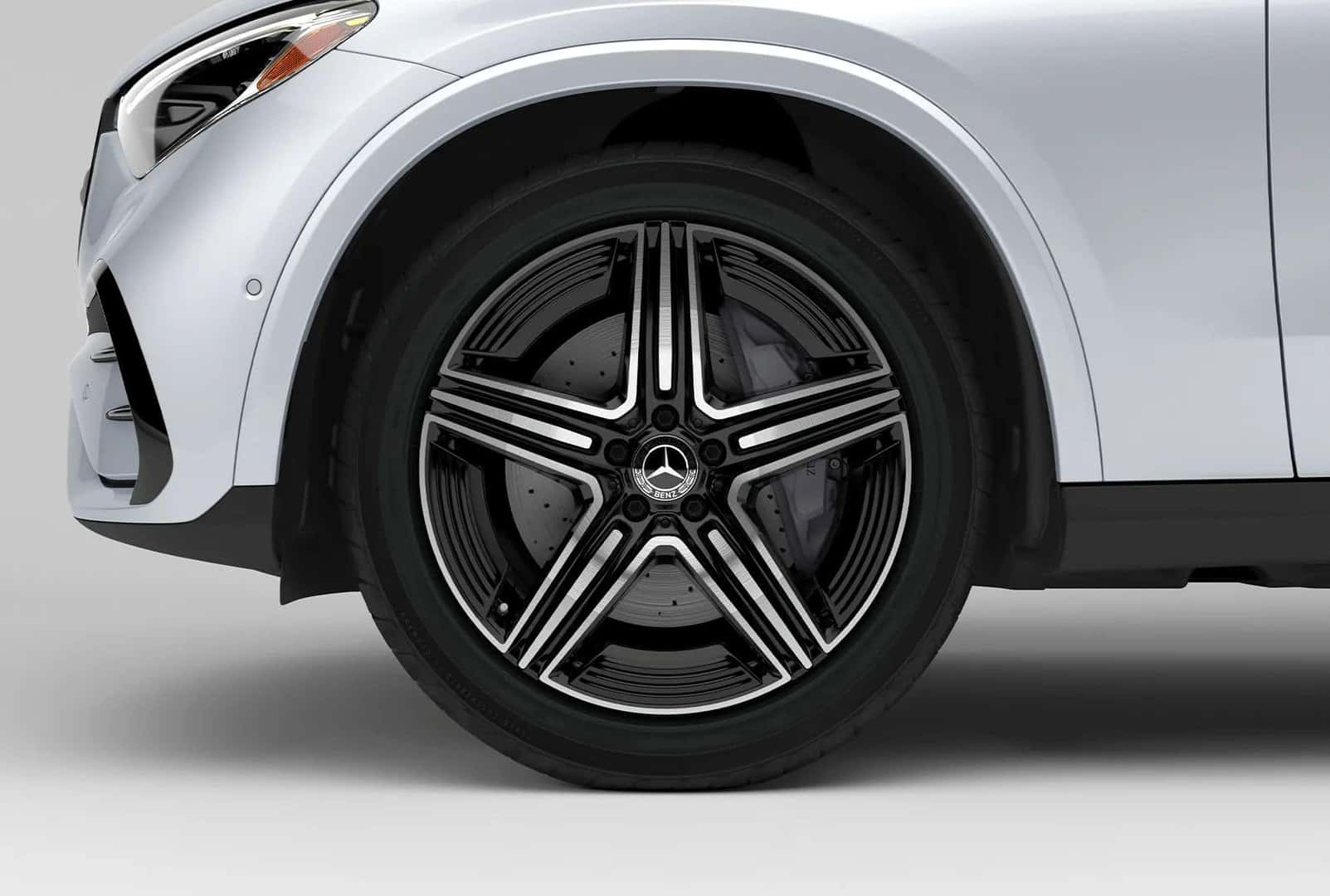
If you drive a Mercedes-Benz in Tyler, Texas, keeping it performing well takes more than occasional oil changes. The roads here put real demands on your vehicle, and two services that drivers often underestimate are tire replacement and wheel alignment. Both directly affect how your Mercedes handles and how long your tires last on East Texas roads. Schedule service before small issues become costly repairs.
This guide covers what you need to know, including how to spot early warning signs and what a professional alignment appointment at Mercedes-Benz of Tyler actually involves.
How Tyler’s Roads Take a Toll on Mercedes-Benz Tires and Alignment
Tyler’s road network changes fast. Within just a few miles, you’re moving between well-maintained commercial corridors and older residential streets where pavement quality drops off noticeably. That inconsistency creates a shifting environment your vehicle’s tires and suspension have to deal with every single day.
East Texas Road Conditions That Accelerate Wear
The roads throughout Tyler and the surrounding East Texas region mix urban wear with rural hazards. Potholes and uneven intersections are a regular part of the commute, and construction zones along routes like Loop 49 and US-69 add further unpredictability. Each surface change creates a small stress event for your tires and suspension; repeated exposure knocks wheels out of alignment while accelerating tread wear faster than you might expect.
East Texas weather adds another layer. Heavy rain and seasonal heat cycles wear on road surfaces, and pavement that expands and breaks down over time shifts noticeably from one block to the next. That inconsistency contributes to premature tire wear and alignment drift.
Why Mercedes-Benz Suspension Systems Are More Sensitive to Road Imperfections
Mercedes-Benz vehicles are engineered to much tighter tolerances than average cars. That precision delivers exceptional ride quality and handling, but it also means suspension components are more sensitive to misalignment. Even a small deviation in wheel angle noticeably affects how a Mercedes drives and how quickly its tires wear down.
The suspension systems on models like the C-Class, E-Class, GLE, and GLC are designed to work within specific ranges. When Tyler’s road conditions push those specs out of range, the effects show up sooner and matter more than they would in a typical vehicle.
Warning Signs Your Mercedes-Benz Needs Tire Replacement or Alignment Service
Catching alignment and tire wear issues early saves money and keeps you safer on the road. Your Mercedes will usually give you several clear signals before a problem becomes serious.
Tire Wear Patterns That Point to an Alignment Issue
One of the clearest signs of a wheel alignment problem is uneven tire wear. If the inner or outer edge of a tire is significantly more worn than the rest of the tread, misaligned camber or toe angles are the likely cause. Cupping or scalloping, where the tread surface has an irregular, wavy appearance, can point to imbalance, worn suspension components, or improper road contact. Wear concentrated in the center of the tread suggests overinflation, while even wear across both edges typically indicates underinflation.
Normal tire wear happens evenly across the tread surface. When alignment is off, the tires sit at a slight angle to the road and degrade unevenly. Catching this early may allow you to realign and preserve the remaining tread rather than replacing tires prematurely.
Steering, Vibration, and Handling Symptoms You Should Not Ignore
Beyond tread wear, your Mercedes will communicate alignment and tire issues through how it drives. Pulling to one side on a straight, flat road is one of the most common complaints and often signals alignment drift or uneven wear. Steering vibration can point to imbalance, tire damage, or alignment problems. You may also notice the steering wheel sitting off-center, or feel reduced responsiveness that wasn’t there before.
Reduced fuel efficiency is another symptom worth noting. Worn or underinflated tires increase rolling resistance, which forces the engine to work harder. Any combination of these symptoms warrants a professional evaluation, so reach out to our team if you’re noticing changes in how your vehicle drives.
Choosing the Right Tires for Your Mercedes-Benz in Tyler
Not every tire suits every Mercedes-Benz model or every driving environment. Selecting the right set means understanding what different tire types offer and how those characteristics apply to Tyler’s road conditions and climate.
Standard vs. Performance Mercedes Tires: Key Differences
Standard tires prioritize ride comfort, quiet operation, and long tread life. Performance tires are engineered for sharper handling, better grip at higher speeds, and more responsive cornering. Many Mercedes-Benz models come factory-equipped with performance tires because of how well they complement the vehicle’s capabilities.
The right choice depends on how you drive. If most of your miles are highway and city commuting around Tyler, a quality touring tire may serve you well. If you drive a sportier AMG® model or want to preserve the factory driving feel, staying closer to performance specs makes more sense. Either way, replacement tires must match the vehicle’s specified size, load rating, and speed rating to preserve handling, braking, and electronic system calibration.
Tire Sizing, Run-Flat Considerations, and Seasonal Options
Mercedes-Benz vehicles are engineered with specific tire sizes and ratings in mind. Using tires outside those specifications can affect ride quality, handling, and safety system performance.
Run-flat tires are a common factory fitment on many Mercedes-Benz models. They’re designed to maintain limited mobility after a puncture, allowing you to continue driving at up to 50 mph for up to 50 miles to reach a service location. They typically ride firmer than conventional tires, and an alignment check is especially important after any impact event when run-flats are fitted. Replacing run-flats with conventional tires requires careful consideration of your vehicle’s spare tire provision and TPMS calibration. For Tyler drivers who encounter road debris on rural routes, knowing your tire type is a practical safety consideration.
Seasonal tires are generally less important in East Texas given the mild winters, but all-season performance ratings still matter for occasional cold snaps or heavy rain.
What a Professional Mercedes Wheel Alignment Service Actually Covers
Many drivers assume a wheel alignment is a quick, simple adjustment. For a Mercedes-Benz, it’s a more involved process that requires specialized equipment and manufacturer-specific knowledge.
Alignment Technology and What It Does for Luxury Vehicles
A professional Mercedes-Benz alignment service begins with computerized measurements of three key angles. Camber is the inward or outward tilt of the tire viewed from the front of the vehicle. Caster is the angle of the steering axis. Toe measures whether the tires point inward or outward relative to the vehicle’s centerline.
Each angle must fall within the manufacturer’s specified range for the vehicle to handle correctly and wear tires evenly. Modern alignment equipment captures these measurements with high accuracy and compares them directly against Mercedes-Benz factory specifications. Technicians then make careful adjustments to restore straight tracking, stable handling, and even tire contact with the road surface.
How Often Drivers in Tyler Should Schedule an Alignment Check
For most Mercedes-Benz owners in Tyler, an alignment check once a year is a reasonable baseline. East Texas road conditions can compress that timeline. If you regularly drive routes with potholes, rough surfaces, or active construction zones, checking your alignment every six months is a smart precaution.
You should also schedule a check any time you replace tires, after a significant impact with a pothole or curb, and following any suspension or steering repairs. Alignment is an ongoing part of keeping a well-engineered vehicle in proper condition, not a set-it-and-forget-it service.
How Tire Replacement and Alignment Work Together to Protect Your Mercedes
Tire replacement and alignment are two parts of the same performance equation. Installing new tires on a misaligned vehicle means those tires will start wearing unevenly from the first mile. You end up paying for new tires while losing them prematurely because the underlying alignment issue was never corrected.
The proper sequence is straightforward: assess alignment before or alongside tire replacement. If alignment is off, correct it before or immediately after mounting new tires. This ensures the tires wear evenly and last as long as possible. Keeping current on both services also benefits fuel efficiency, since correctly aligned, properly inflated tires require less rolling resistance. For a Mercedes-Benz, this attention to detail also protects the suspension components themselves from accelerated wear.
What to Expect During a Mercedes Tire and Alignment Appointment at Mercedes-Benz of Tyler
When you bring your vehicle to Mercedes-Benz of Tyler for tire or alignment service, the process is thorough from start to finish. The appointment typically begins with a road test so the technician can assess handling directly and identify concerns before the vehicle enters the service bay.
From there, technicians perform a detailed inspection of your tires, wheels, and suspension components. Tread depth and visible damage are evaluated alongside overall tire condition. Alignment measurements are taken using diagnostic equipment calibrated to Mercedes-Benz specifications. At the end of the inspection, you receive a clear explanation of what was found and what is recommended, so you can make an informed decision.
The team at Mercedes-Benz of Tyler has been serving East Texas drivers since 1960, with dedicated service hours Monday through Friday from 8:00 a.m. to 6:00 p.m. You can reach the service department at (903) 534-7060 or visit us at 3274 Professional Drive, Tyler, TX 75701.
Frequently Asked Questions About Mercedes Tire Replacement and Alignment in Tyler
Does Misalignment Really Affect Tire Wear on a Mercedes-Benz?
It does, and the effect is more pronounced on a Mercedes-Benz than on a standard vehicle because of how precisely the suspension system is engineered. When the wheels aren’t aligned to factory specifications, tires contact the road at a slight angle rather than flat across the full tread surface. That creates uneven friction, wearing down specific areas faster than others. Left uncorrected, misalignment shortens tire life significantly and can compromise handling stability and safety.
When Should I Replace Tires Before Getting an Alignment?
If your tires are worn close to minimum tread depth or show obvious damage, replace them first, then get an alignment immediately after. Putting new tires on a misaligned vehicle means they start degrading from the first drive. If the tires still have usable life remaining, get the alignment checked first to understand whether existing wear was caused by misalignment. Skipping alignment after tire replacement is one of the most common reasons drivers replace tires sooner than expected.
Your Mercedes-Benz was built to perform at a high level, and Tyler’s roads will test that performance regularly. Staying current on tire replacement and alignment is one of the most direct ways to protect your investment. Schedule your tire and alignment appointment at Mercedes-Benz of Tyler and keep your vehicle handling exactly as it should.
0 comment(s) so far on Mercedes Tire Replacement & Alignment: How Tyler Roads Affect Your Mercedes-Benz