You may take your brakes for granted, trusting they’ll always be there if you need to slow down in traffic or stop for pedestrians. But what if they weren’t? As your vehicle ages, your brakes undergo wear and tear. Brake maintenance is essential for optimum performance over time. We’ve developed this handy guide so you know the measures you can take to provide the maintenance your brakes need.
Replace Brake Pads
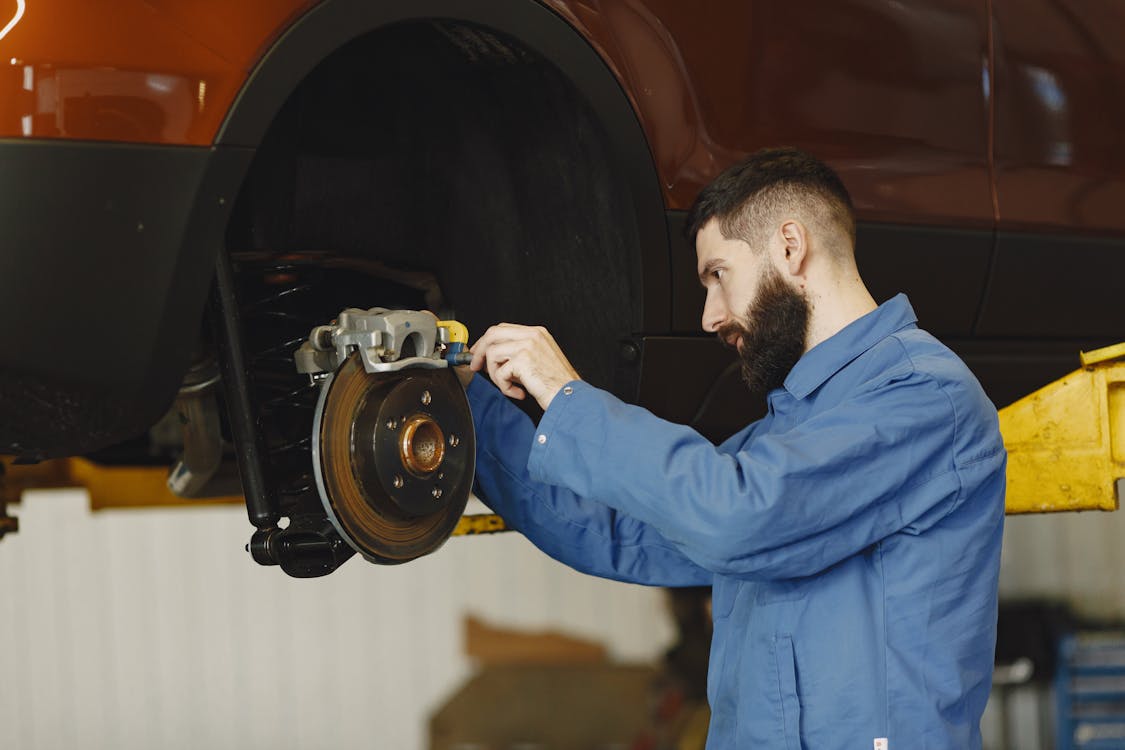
Friction between the tires and brake pads helps your vehicle slow down or stop whenever you hit the brakes. This friction creates heat that wears down your brake pads over time. You’ll usually need new brake pads every 25,000 to 65,000 miles, depending on the quality of your brake pads and where and how you drive. If your vehicle has carbon ceramic brake pads, they could last more than 80,000 miles.
Replacing the brake pads when they wear down ensures they can create friction between the tires for effective stopping. It also ensures your rotors and calipers stay protected. If you neglect to replace your brake pads, you may find that other brake components get damaged and need replacing.
Flush Brake Fluids
Brake fluids absorb moisture through the brake lines and brake fluid reservoir. This moisture can make the metal components in your braking system rust. It also lowers the brake fluid’s boiling point, which decreases your brakes’ effectiveness. Brake fluid that needs changing looks milky or cloudy. Average vehicles need their brake fluid flushed every 25,000 miles. However, Texas’ hot and humid summers can make brake fluid absorb more moisture, so you may need to get your fluid flushed more frequently.
Bleed Brake Lines
Bleeding the brake lines removes excess air, which can reduce pressure in the braking system. When there’s air in the brake lines, you might notice your brake pedal feels spongy or you need to push it right to the floor. Air in the brake lines can also make the brake fluid absorb moisture. Mechanics can take out this air by bleeding the brake lines, which is done by engaging the brakes while adjusting the bleeder valve. You should schedule this service every two or three years.
Replace Brake Parts
While brake pads are the most common brake part that needs replacing, some other brake components may need changing if they suffer wear and tear. Replacing these can ensure your brakes keep you safe and improve the system’s longevity. You may also decide to replace the standard brake parts with more advanced components. For example, you might change the basic disc brakes for heat-resistant slotted ones that last longer. If you want to upgrade your braking system, our technicians can advise you on
the best replacement parts.
Brake Smoothly and Evenly
Practicing smooth, even braking when you’re on the road ensures your brakes don’t work too hard and suffer undue wear and tear. Leave a gap of at least three seconds between you and the vehicle in front so there’s plenty of time for even braking. It’s smart to increase this gap in inclement weather when there’s reduced visibility and when you’re carrying heavy loads, as extra weight decreases your stopping power.
Limit Braking
The more you use your brakes, the faster the pads will wear down. Overreliance on the brakes can also negatively impact your brake fluid tube and the braking system’s performance. Reducing your reliance on your brakes and only using them when necessary is one of the easiest ways to maintain them.
Consider your driving habits and some ways you could reduce reliance on your brakes. For example, you may brake less if you maintain a constant speed that reflects the traffic conditions rather than accelerating and braking more frequently. If you regularly tap your brake or rest your foot on the pedal when you drive, try to resist these impulses and only brake when necessary. Use the footrest beside your brake pedal when the traffic is free-flowing. When driving through heavy traffic, hover your foot above the pedal so you can engage your brakes only as needed.
Stick to the Speed Limit
You can track many bad braking habits back to excessive speed. When you speed, you have less time to react to changing conditions. You’re more likely to slam on the brakes because you don’t have enough time to come to a gradual slowdown or stop. Leaving home with plenty of time to reach your destination can help you resist the urge to speed.
Carry Suitable Loads
Understand your vehicle’s maximum weight capacity and make sure you never exceed it. The more you carry, the more stress you place on your vehicle’s brakes. Placing your brakes under stress makes them work harder and reduces their effectiveness and life span. Make sure you also distribute any load evenly to maintain your brakes.
Pay Attention To the Warning Signs
If your brakes begin to fail between services, the changes will usually be gradual. Staying alert behind the wheel can help you recognize the signs that your brakes need work before issues become major problems.
Listen out for unusual sounds, such as squeaking, squealing, or metallic grinding when you engage the brakes. The pedal should feel firm under your foot and slow the car as you engage the brake. Your car should brake smoothly, without any shaking or vibrations. The smell of smoke or the brake warning light illuminating on your dashboard are other warning signs to watch out for. If you see, smell, hear, or feel anything unusual, ask a mechanic to diagnose and fix the problem.
Get the Maintenance Your Brakes Need From Mercedes-Benz of Tyler
Effective brake maintenance requires a partnership between you and your mechanic. We’d love to work with you to ensure your brakes work at their best when you need them most. Our expert technicians can take care of all your maintenance needs, including replacing brake pads and other components, flushing brake fluid, and bleeding brake lines. Call us or use
our convenient online booking system to book your next brake service with us here at Mercedes-Benz of Tyler in Tyler, Texas.
Man in Blue Uniform Fixing the Car’s Brake System by
Gustavo Fring is licensed with
Pexels License 
0 comment(s) so far on What Maintenance do Brakes Need?